


1935–1936
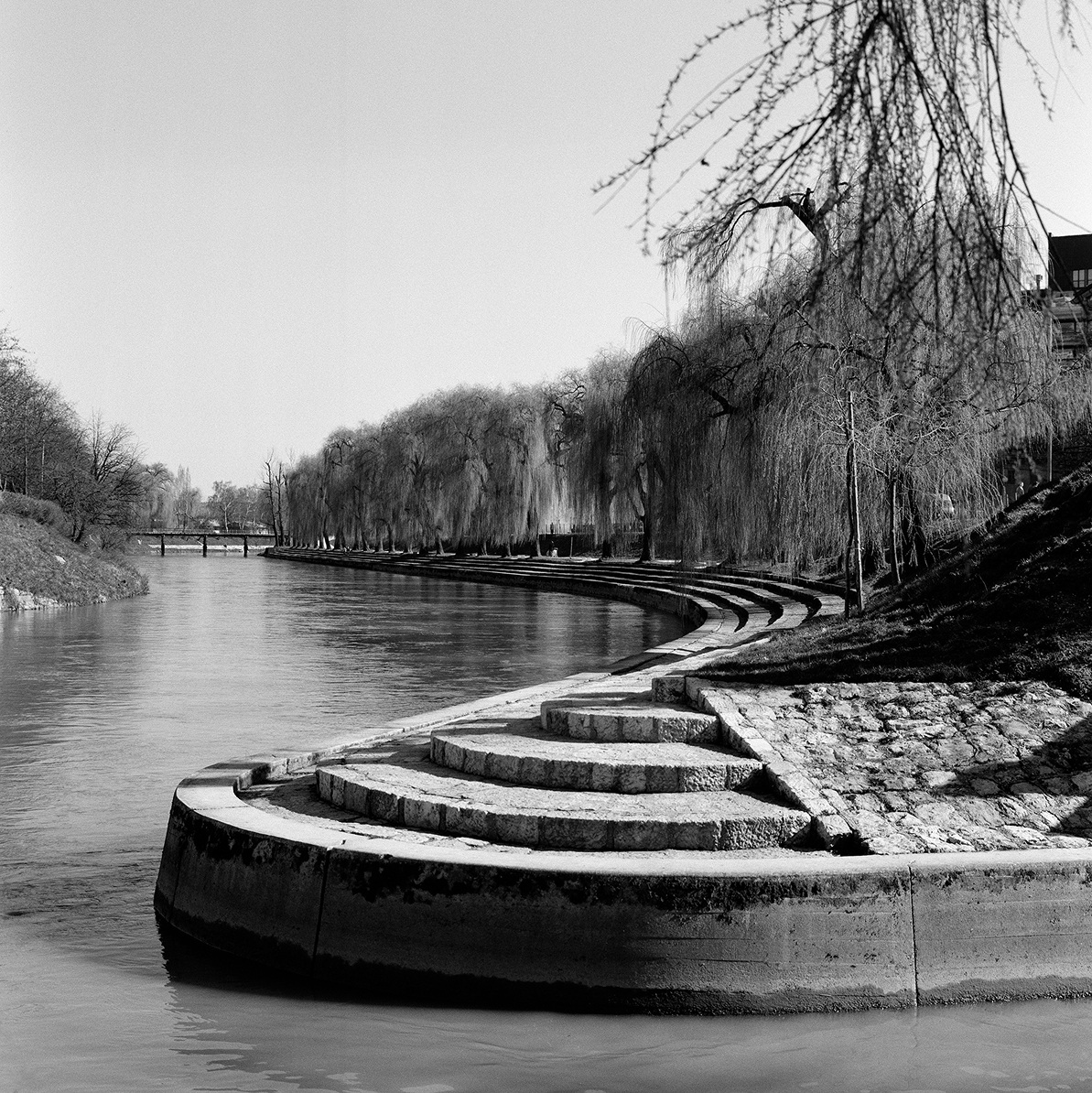
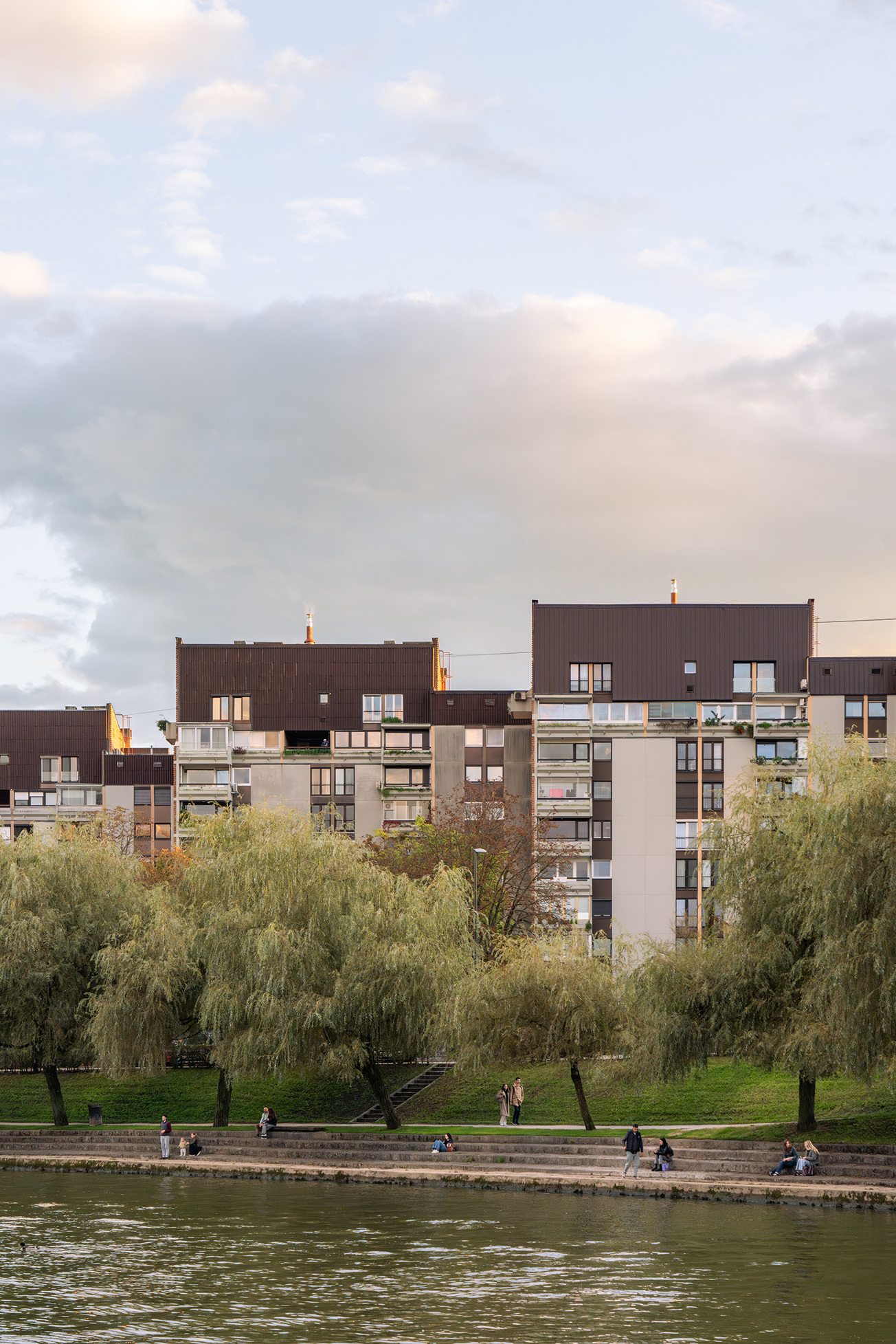
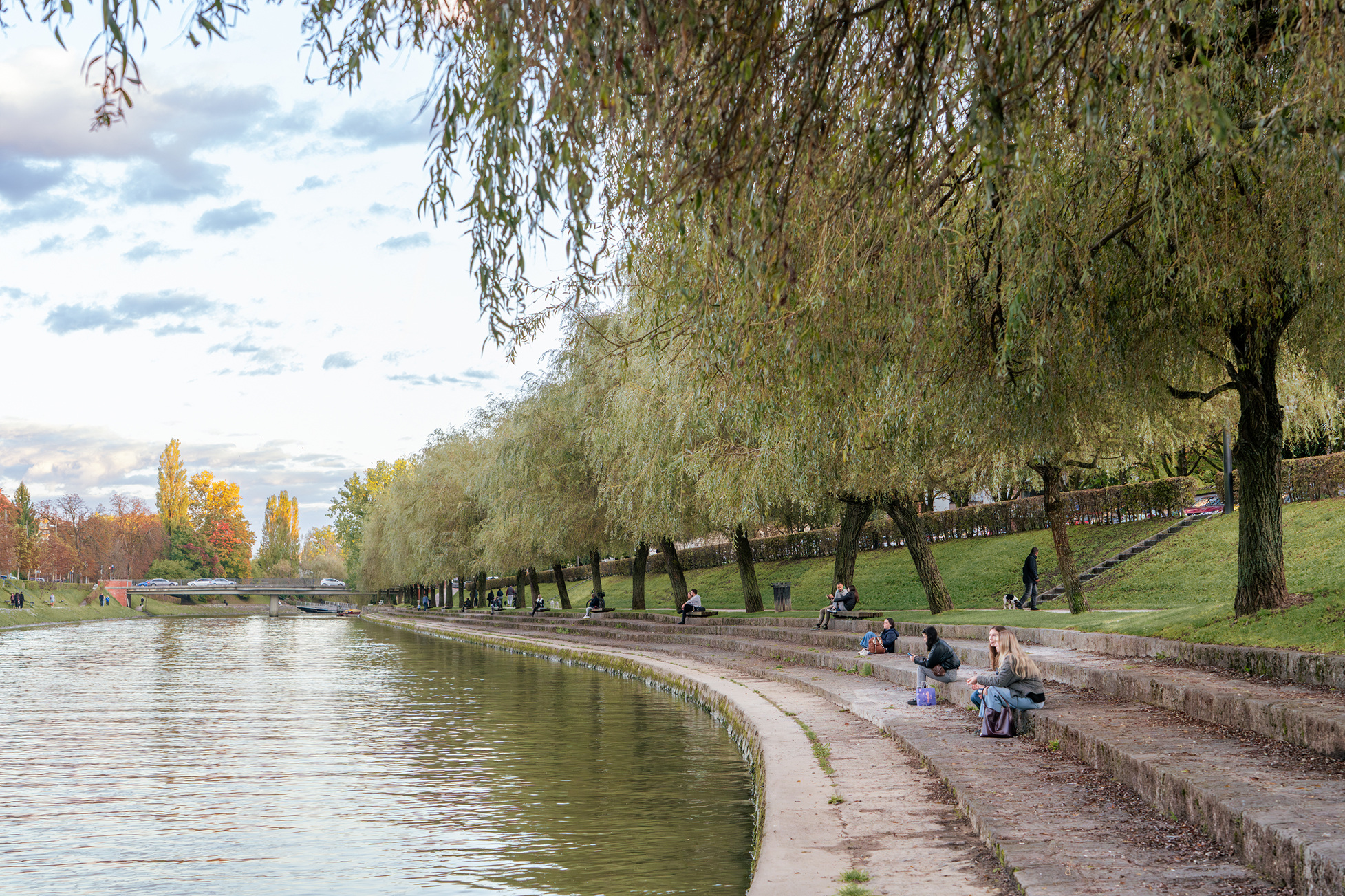
The idea behind this transformation is to bring the city closer to the Ljubljanica River. A long stretch of concrete terraces framing the river’s curve serves as an observation platform and provides direct contact with the river. Next comes a line of willows that offers shade to the users and behind it a gravel footpath for amblers. With his simple design of successive elements, Plečnik laid out a riverside walkway/park and turned it into one of the city’s most lyrical districts. The ensemble also evokes the memory of the former city harbour, where stone from the Podpeč quarry was delivered here for centuries.
1935–1936
The idea behind this transformation is to bring the city closer to the Ljubljanica River. A long stretch of concrete terraces framing the river’s curve serves as an observation platform and provides direct contact with the river. Next comes a line of willows that offers shade to the users and behind it a gravel footpath for amblers. With his simple design of successive elements, Plečnik laid out a riverside walkway/park and turned it into one of the city’s most lyrical districts. The ensemble also evokes the memory of the former city harbour, where stone from the Podpeč quarry was delivered here for centuries.